Record added successfully


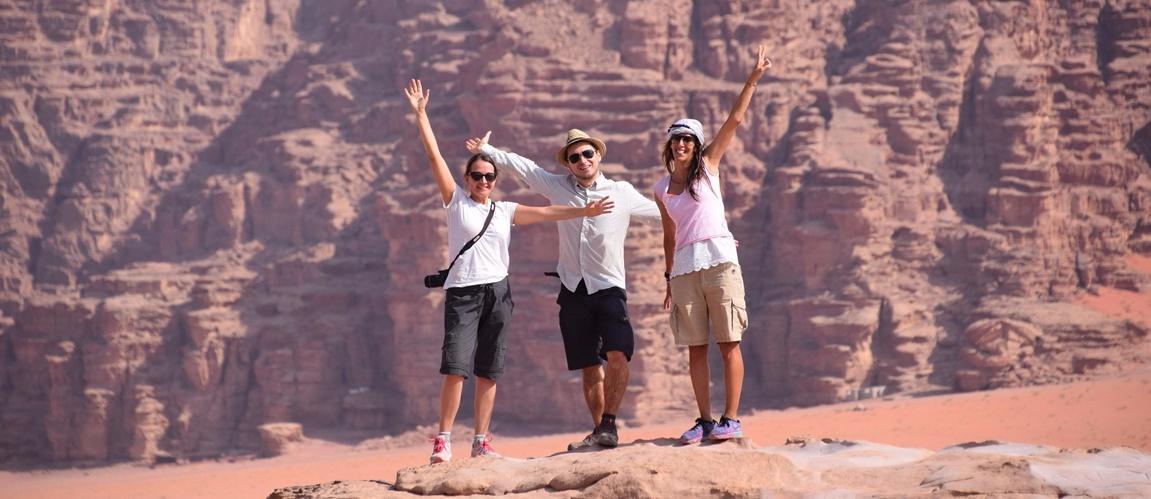
Jordan Small Group Tours ( Maximum of 7 ) with the Best Suitable Price Ever
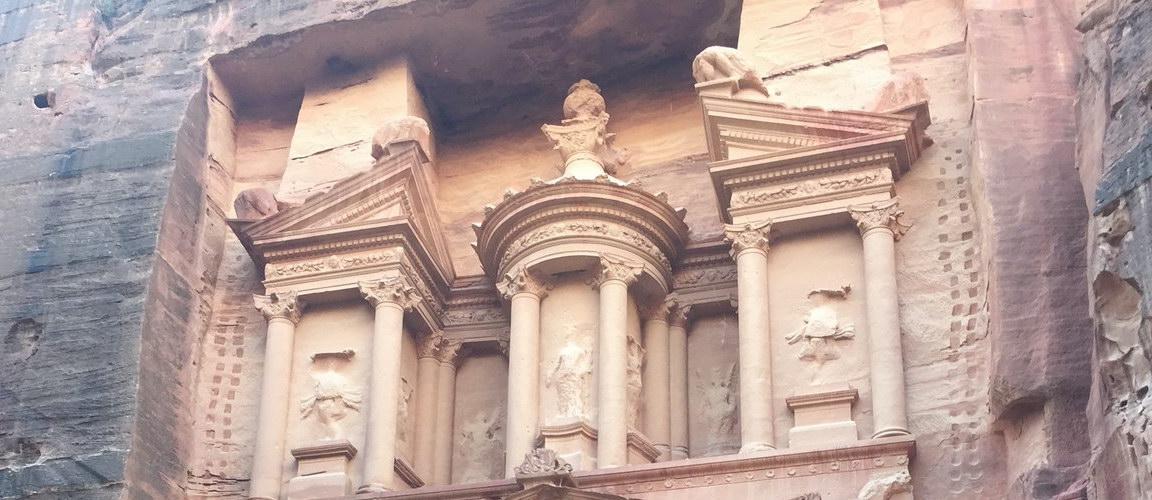
With tens of local tours and destinations offered in Jordan, we are your natural choice for planning it all out!
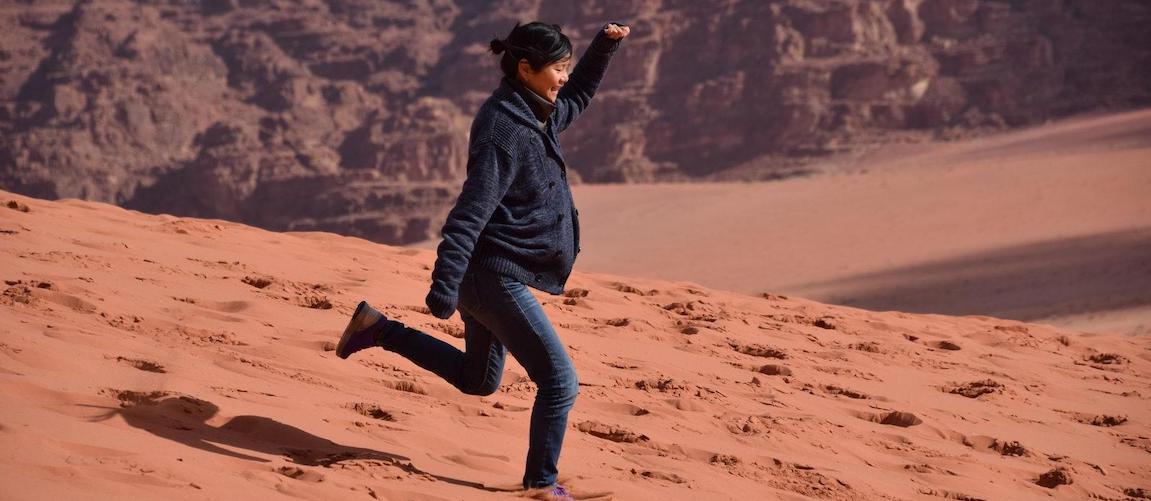
Our professional agents will help you plan your next tour and get the maximum experience from the best Jordan destination.
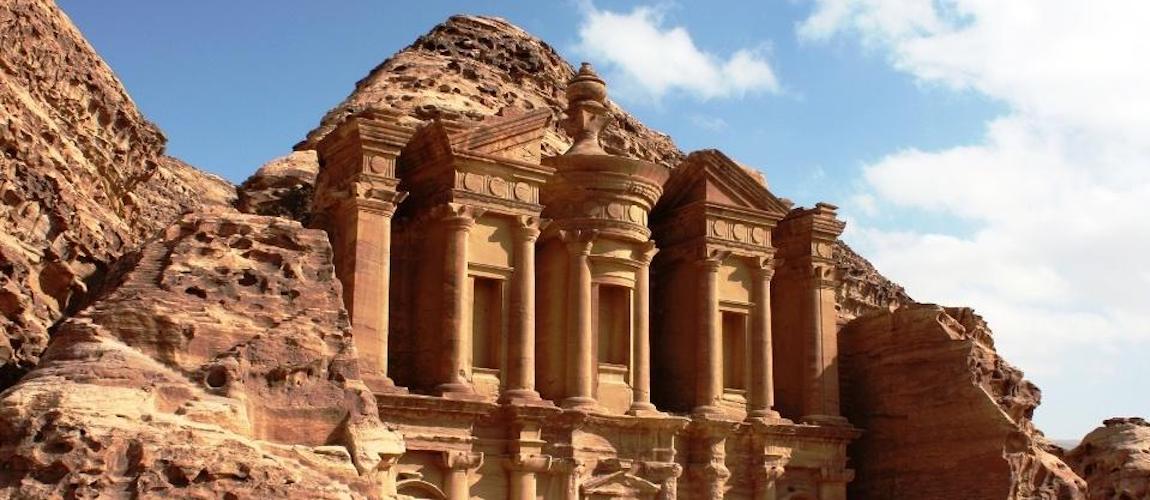
We offer a wide variety of activities and tour packages in Jordan and wish you an adventurous new year – one full of new experiences and few punctures!

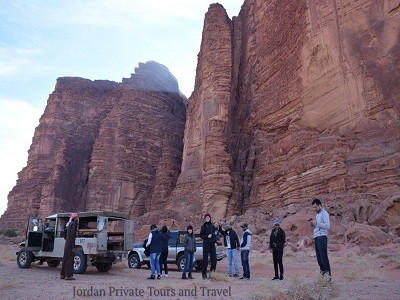
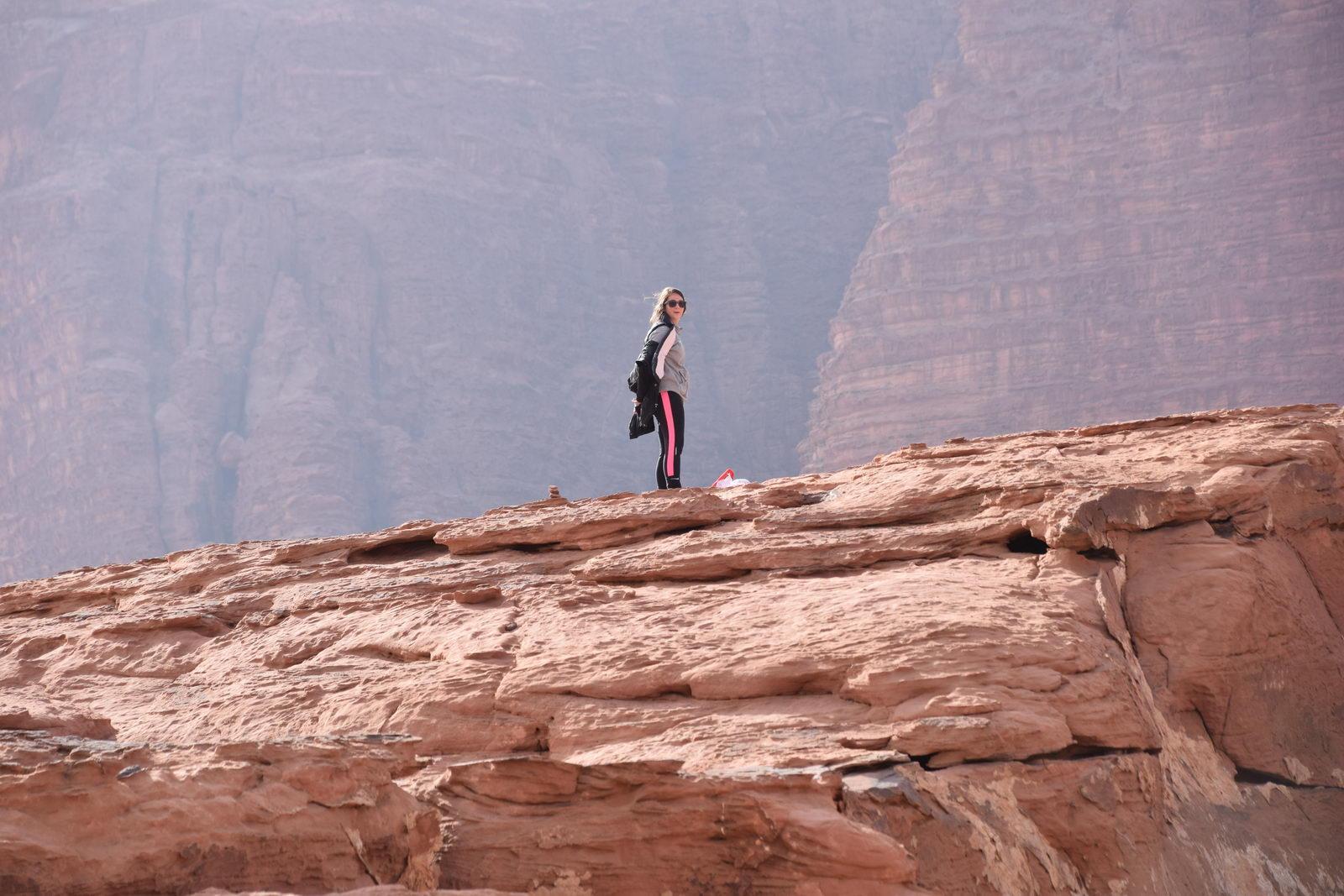
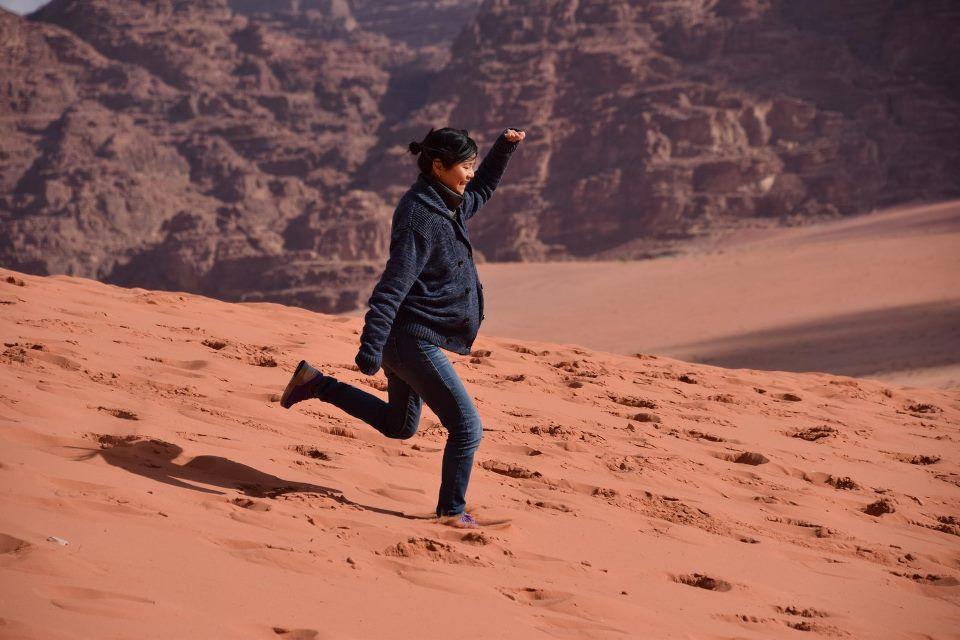
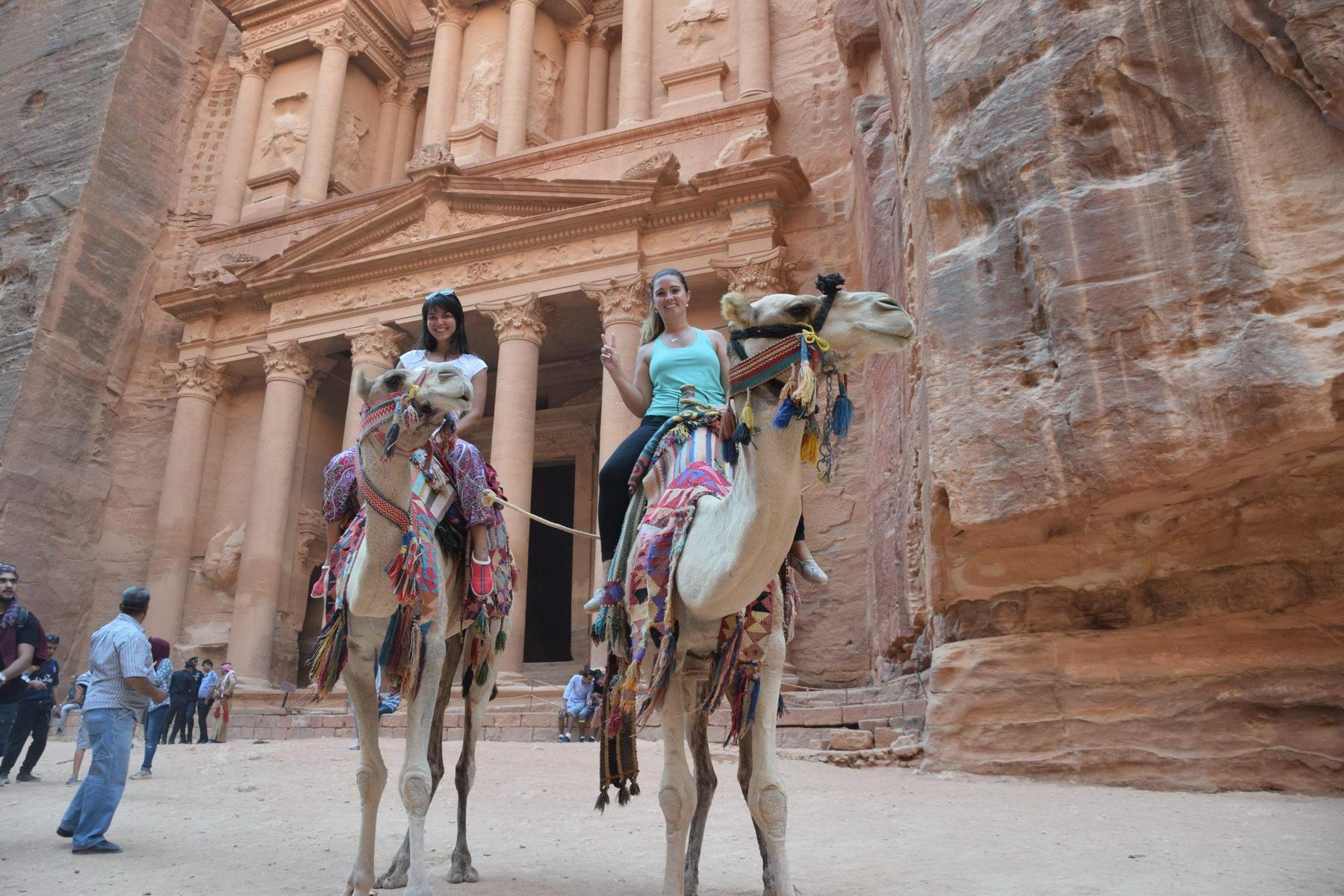
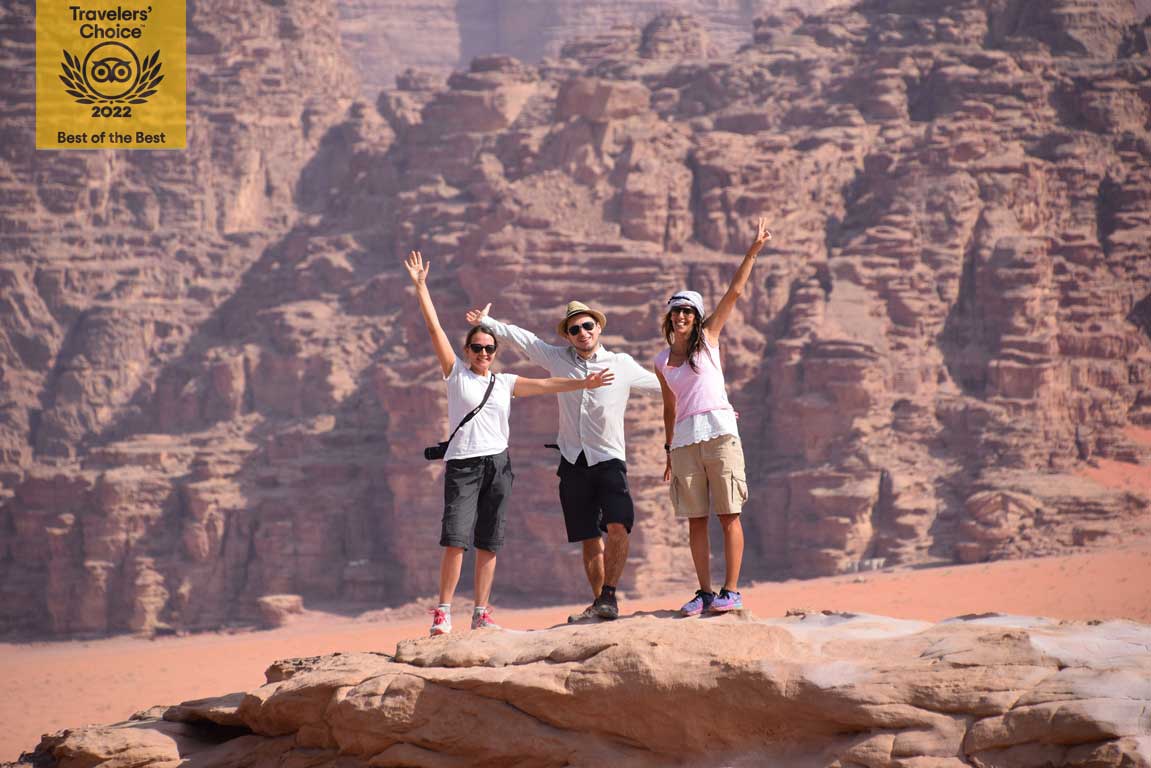
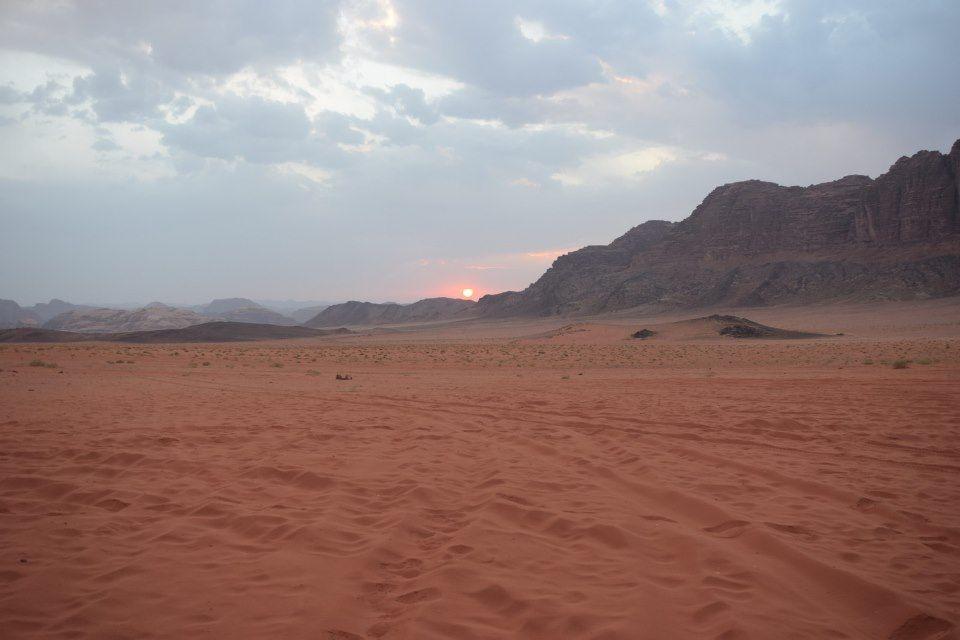
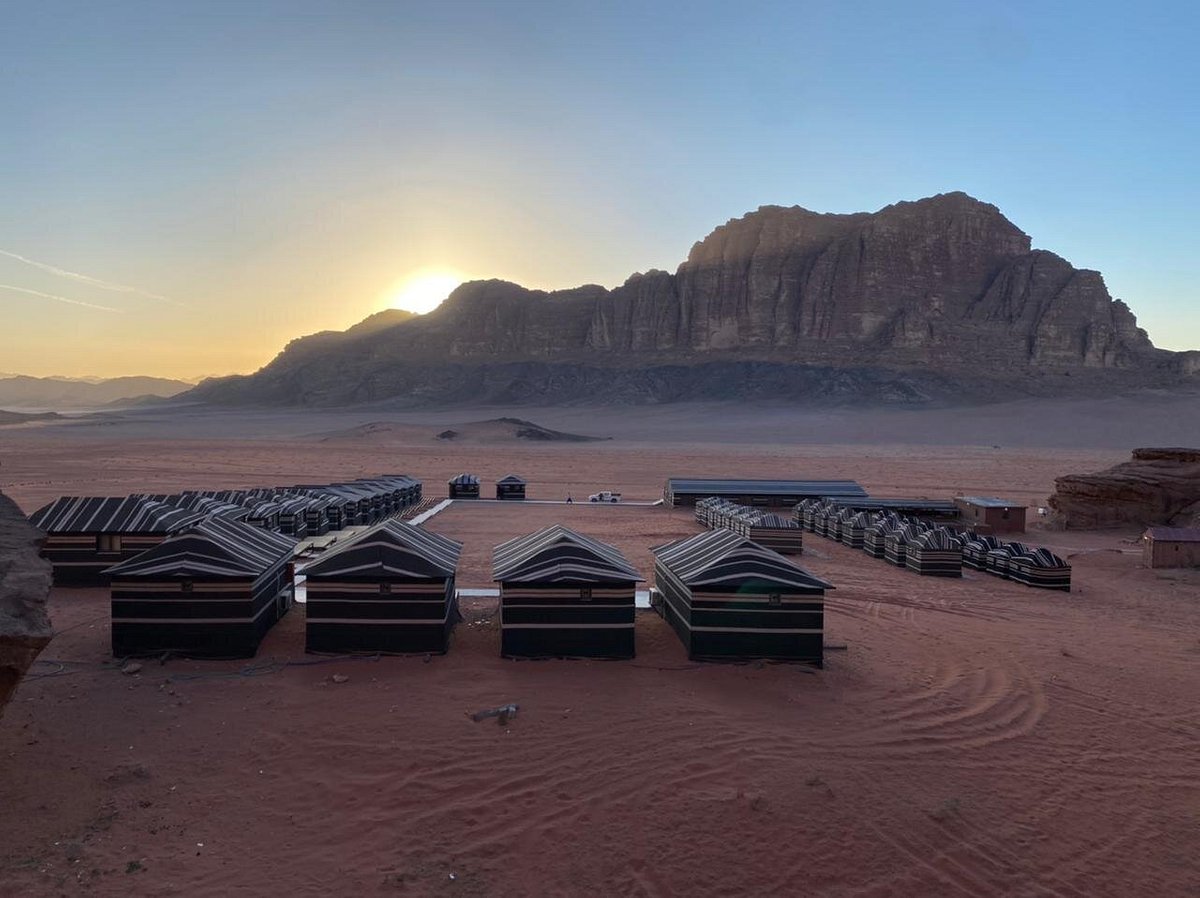
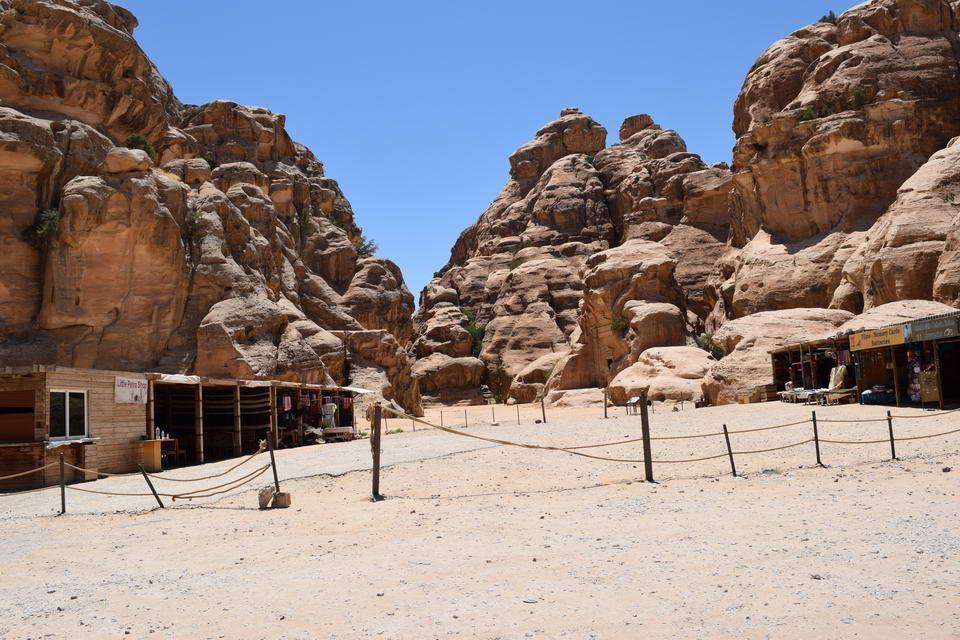
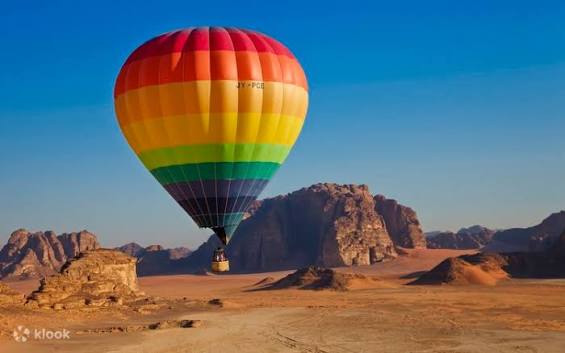
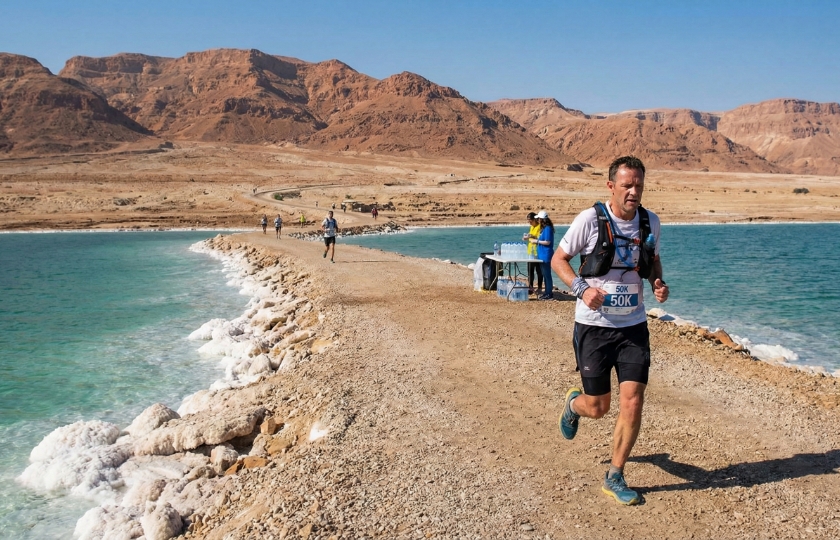
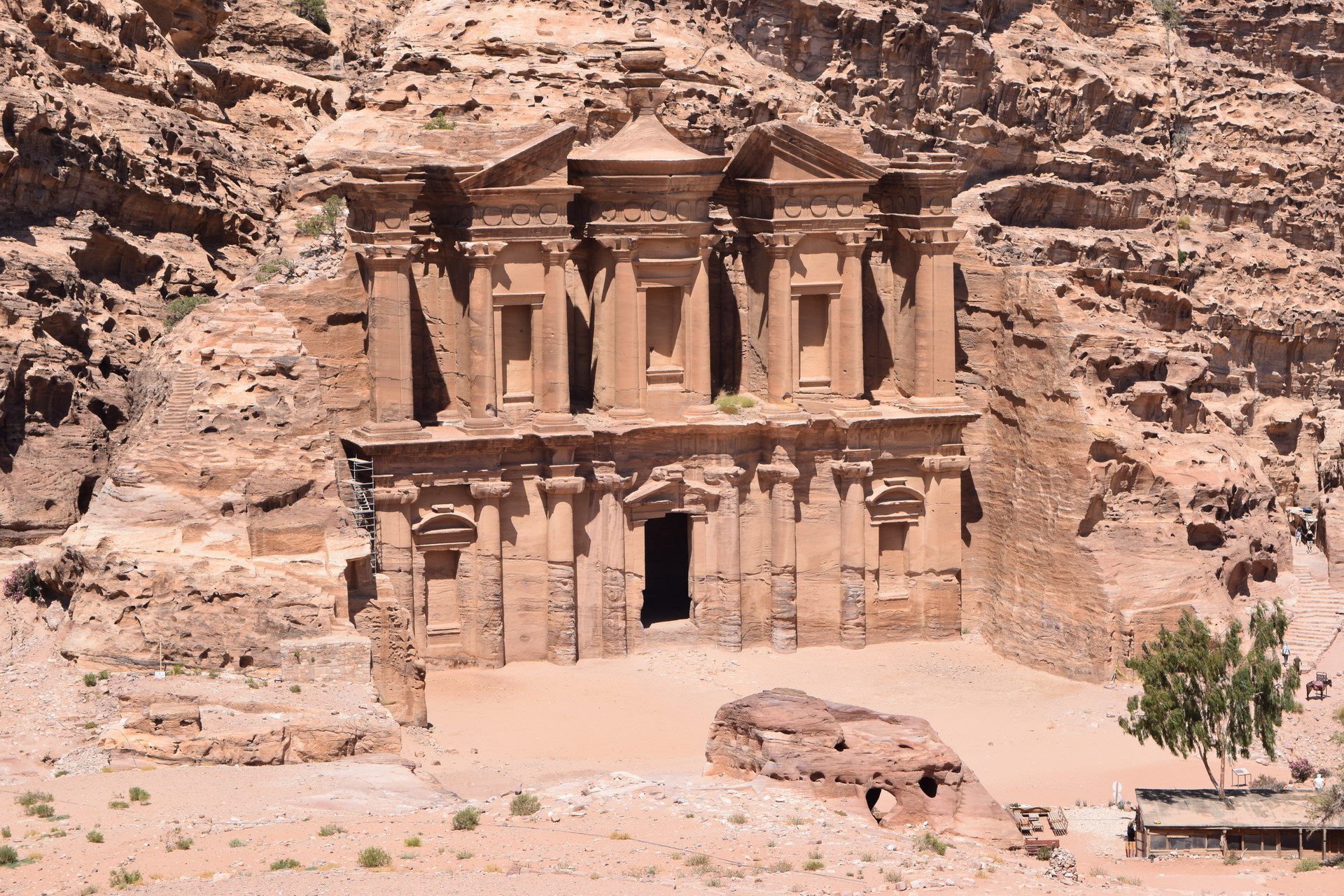
This is one of the most affordable tourism offers in Jordan, where we will visit 3 wonderful places and passing through amazing roads in Two-Days Trip... Starting from Amman toward Petra, and move afterwards toward Wadi Rum, Spend the night, discover the valley next day and move toward the Dead Sea. This tour comes with different versions : Private or small group tour, Guided or un-guided tour, so read carefully and book below what version you prefer (some days might not be available)
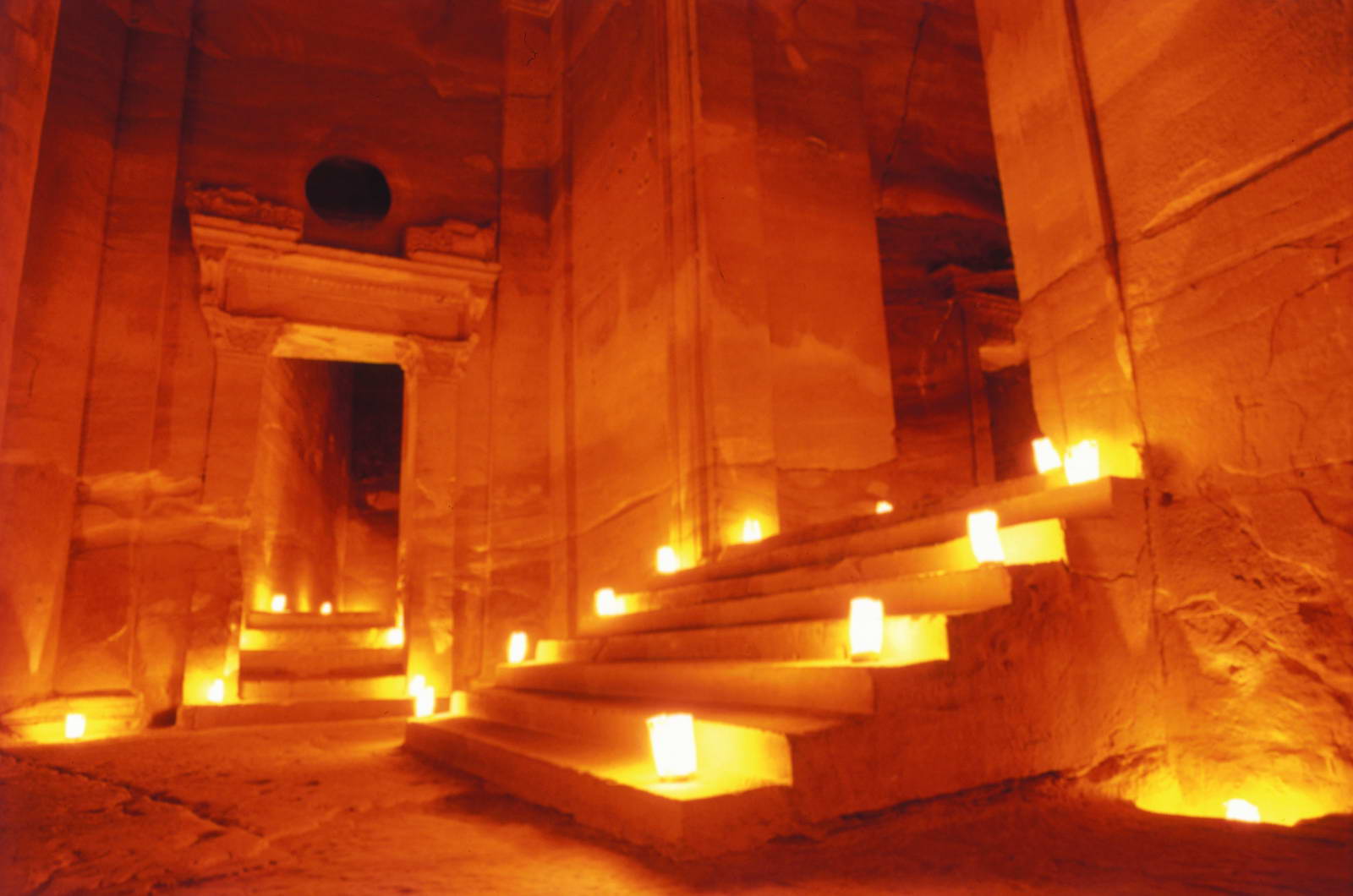
yes that is right; you hardly can see someone moving on that area , and that is why I love this trail, and that is why I named this article as the previous one – Secrets of Petra ( less than 1% of Petra visitors saw these areas of Petra)
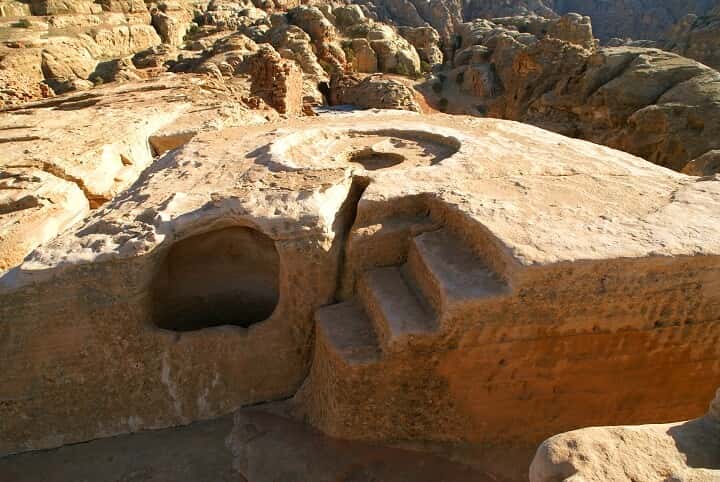
This is the largest cultic area in Petra – there are many smaller ones located amongst the mountain that surround the ancient city. These sites were likely used for a variety of religious rites, which probably included sacrifices. It is possible that this particular cultic area was in use since the time of the Edomites in the Iron Age. The Nabataeans, as with many other Semitic peoples, sometimes worshipped their gods in open-air high place and appear to have offered sacrifices to them.
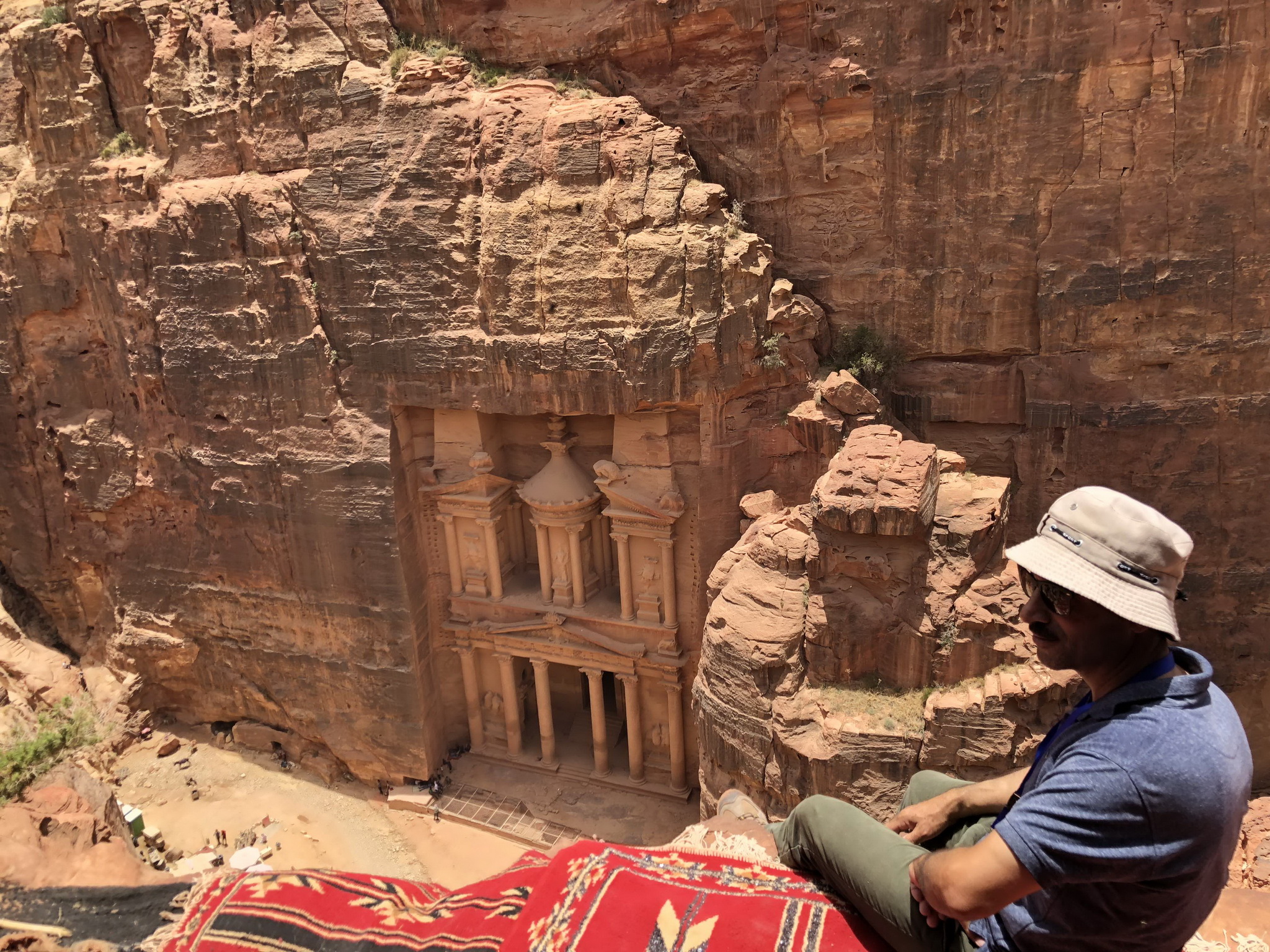
The cult complex before you includes a rectangular courtyard with three carved benches, or a ’triclinium’ and a low table at its center that may have been the seat of the master of the ceremony. An altar stands to the west on which baetlys (stone blocks representing a god)were place, to the left of this a platform with a carved circular basin which was possibly used to collect rainwater for purification and a cup-shaped recess with a drain that may have received the blood from sacrificed animals. Sacrificial remains recovered from other Nabataean religious sites include burnt offerings of cereal grains and livestock. The High Place of Sacrifice offers panoramic views over Petra, Wadi Mousa and Aaron’s tomb.
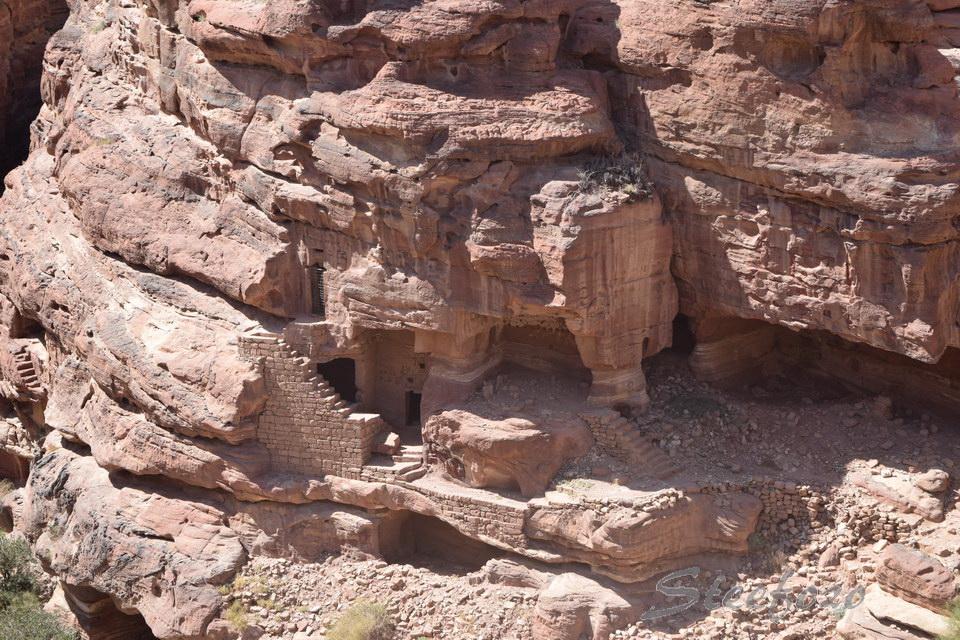
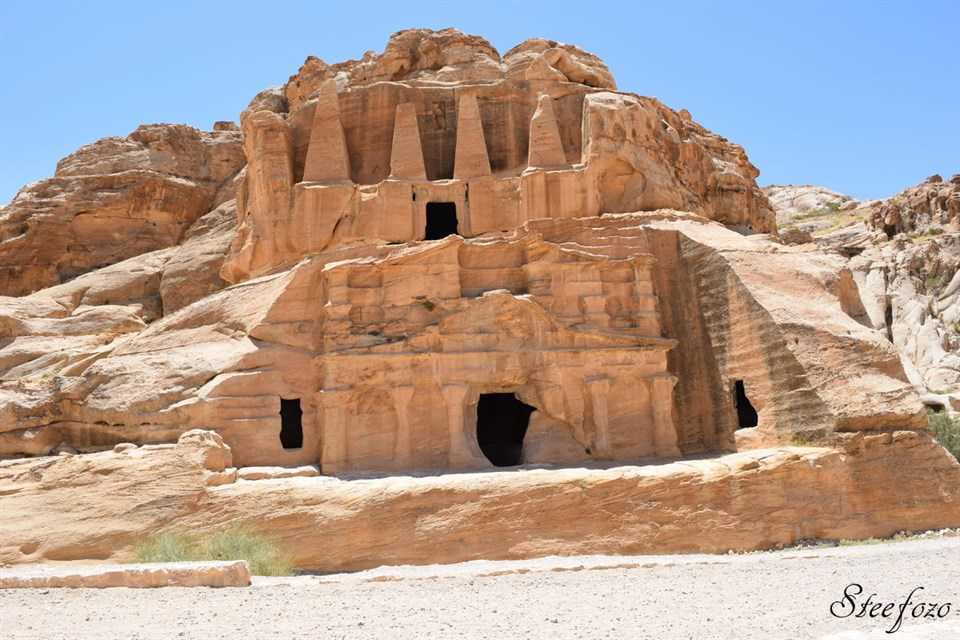
This path is believed to be a processional route to the High Place of Sacrifice, which may have been used by both resident worshippers and pilgrims. Many commemorative inscriptions are engraved in the rocks along the beginning of this route. There are many remarkable toms in this valley, one of the most striking of which is the “Renaissance Tomb”.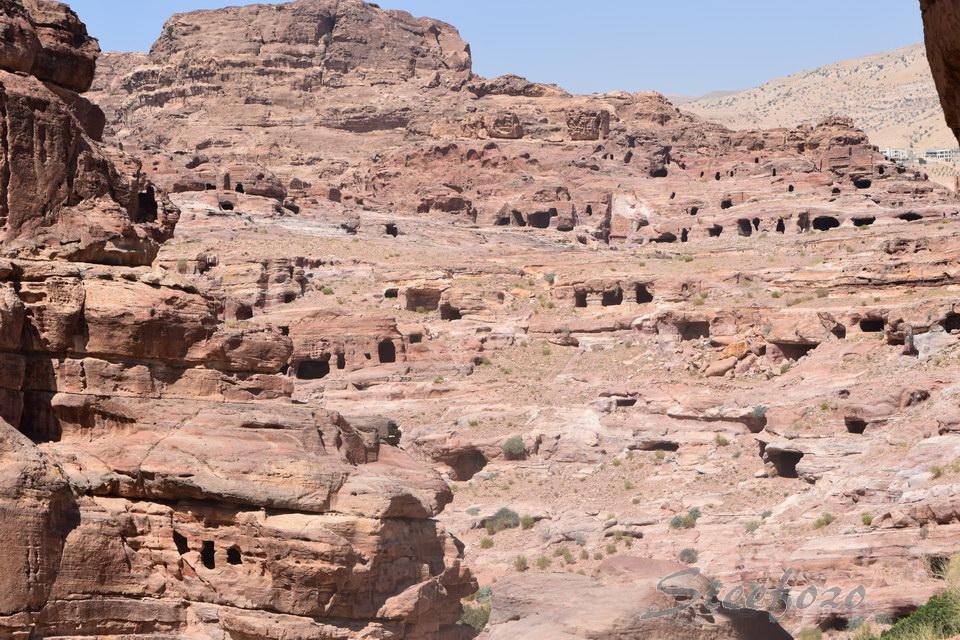
The façade is characterized by tomb Renaissance arch decorated with three unit within the framework of the Nabateaen columns compacted with the interface. The archaeological excavations revealed in 2003 about the existence of 14 graves, the graves were found cut in rock floor. All the graves had been looted most probably during the medieval period, but some remains were found, including bones, pottery and coins.
Two of the graves contained inscribed tombstones; one reads “Tayma son of Wahabilla……” Evidence indicates that the Renaissance Tomb may have been constructed towards the third quarter of the first century AD.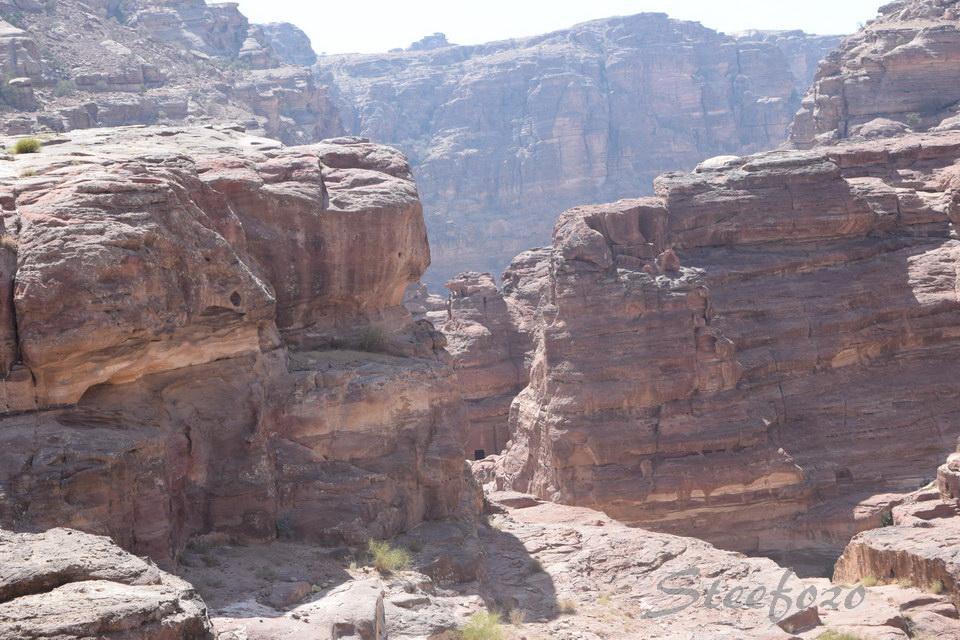
Recent archaeological evidence in Petra has indicated that this well-proportioned façade was probably part of a complex that included built structure in front of it, giving an interesting new insight into Nabataean architecture. The tomb was accessible through a large courtyard with porticos and two-story buildings on both sides and a triclinium opposite the entrance.
It is decorated with engaged pilasters and columns that frame three niches with a statue of a military officer in the central niche- hence the tomb’s name.
Excavations in Petra demonstrated that the courtyard was built in the Nabataean period, around the second half of the 1st century AD, but was remodeled in the Roman period. 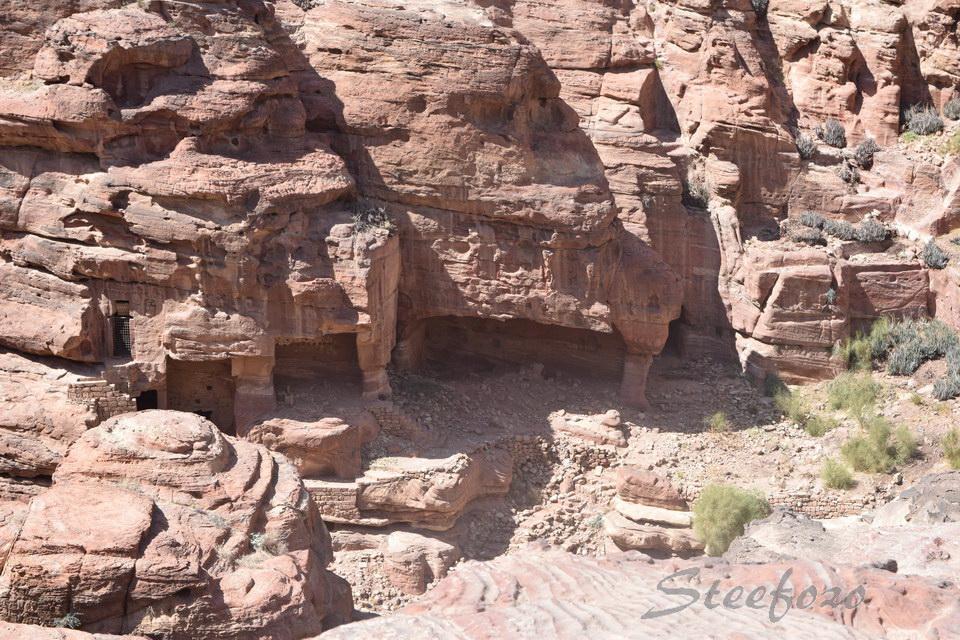
This striking chamber in Petra is situated opposite the Tomb of the Soldier and is the only room in a funeral complex at Petra that has carved architectural decoration on its interior surfaces. It was a funerary banqueting hall, decorated with engaged columns and niches, and was originally covered with painted stucco. The stucco has fallen away to reveal the natural colors of the rock from which the room was hewn.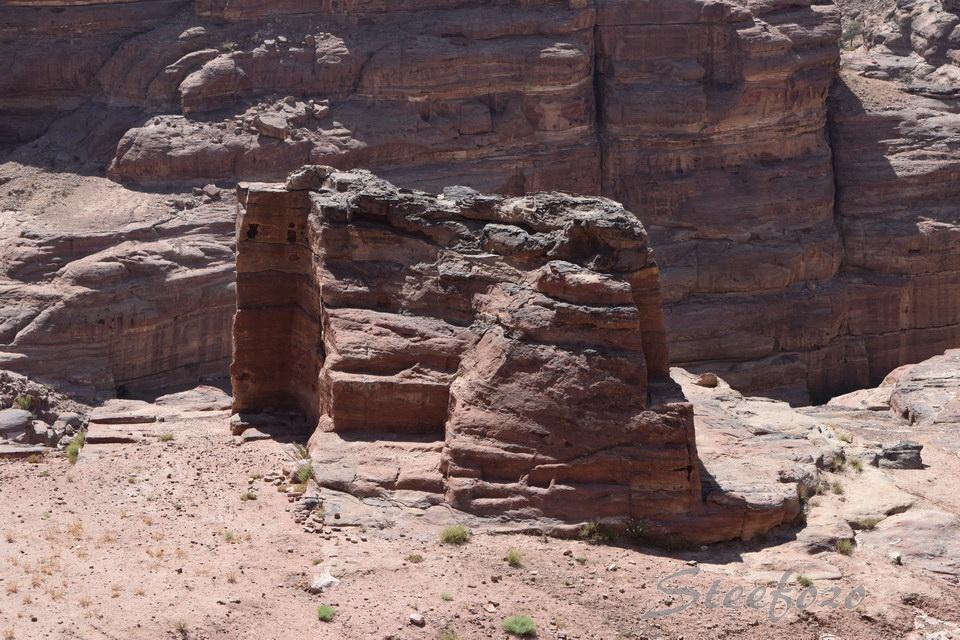
The open space in front of this monument in Petra is thought to have been a garden, and hence the monument’s name. Located along the Wadi AL Farasa processional route, the monument consists of a small chamber, the entrance of which is decorated with two columns between pilasters.
A 44 m3 cistern located nearby was covered by vaults and fed by a large upper water reservoir. Notice a hole to the right of the Garden Hall – this was opened and closed to control the water supply from the cistern and irrigate the garden as needed.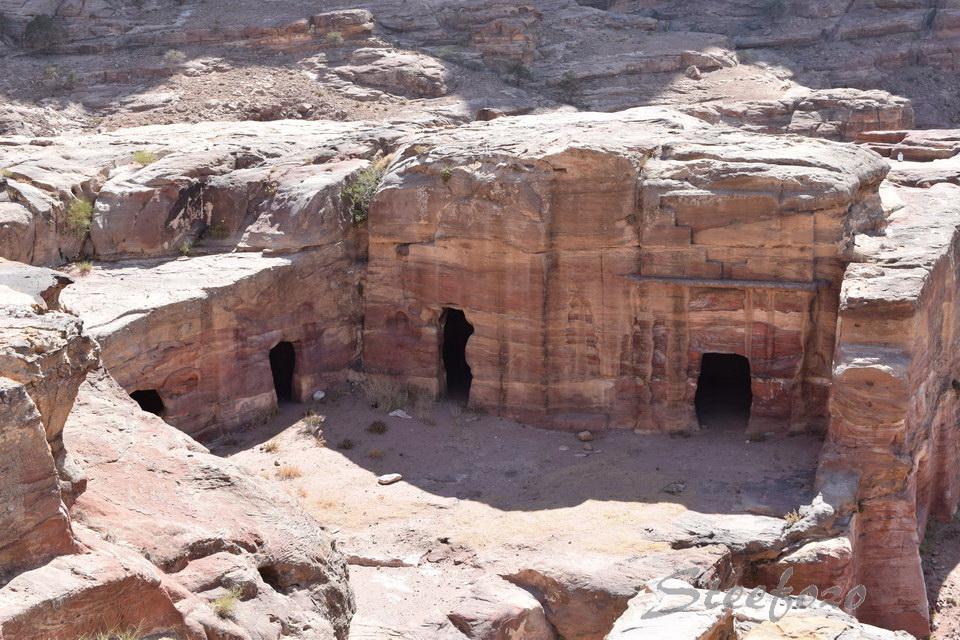
This fountain is one of the remarkable features found along the Wadi al-Farasa processional route in Petra area, and an example of how the Nabataeans created attractive monuments out of functional amenities in Petra. Water once gushed forth from the open mouth of the huge lion you see. The carved channel above the lion’s head received water from Ain Braq spring - Petra , and the water collected in a basin here and eventually flowed to a large cistern at the foot of the mountain.
To the left if the fountain is an elevated area with a carved altar. This may have been used for rituals conducted to thank the gods for the water supply, as water was sacred to the Nabataeans.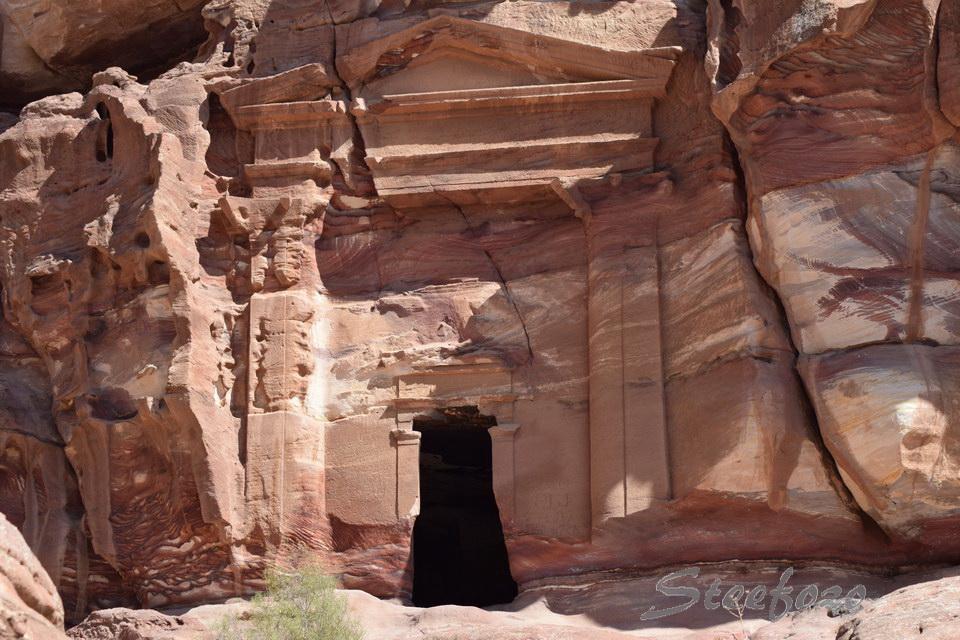
This is the largest cultic area in Petra – there are many smaller ones located amongst the mountain that surround the ancient city. These sites were likely used for a variety of religious rites, which probably included sacrifices. It is possible that this particular cultic area was in use since the time of the Edomites in the Iron Age. The Nabataeans, as with many other Semitic peoples, sometimes worshipped their gods in open-air high place and appear to have offered sacrifices to them.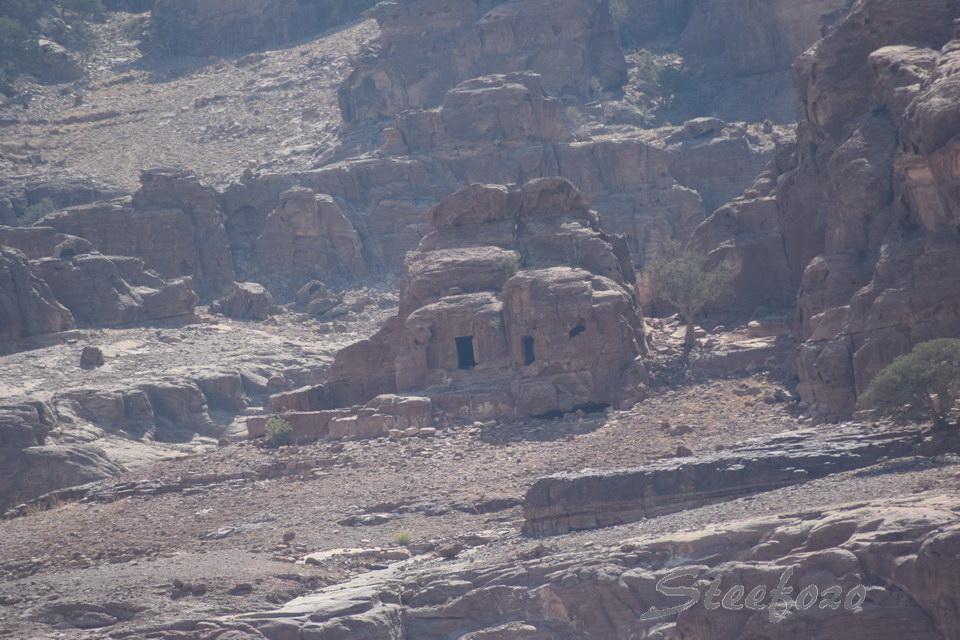
The cult complex before you includes a rectangular courtyard with three carved benches, or a ’triclinium’ and a low table at its center that may have been the seat of the master of the ceremony. An altar stands to the west on which baetlys (stone blocks representing a god)were place, to the left of this a platform with a carved circular basin which was possibly used to collect rainwater for purification and a cup-shaped recess with a drain that may have received the blood from sacrificed animals. Sacrificial remains recovered from other Nabataean religious sites include burnt offerings of cereal grains and livestock. The High Place of Sacrifice offers panoramic views over Petra, Wadi Mousa and Aaron’s tomb.